Last updated on May 22, 2026
Peyronie’s disease can often raise concern when a lump, bend, or change in shape is first noticed, and the term “plaque” may sometimes add confusion.
In many instances, plaque may sound similar to dental plaque or hygiene-related issues, which is not the case here.
In Peyronie’s disease, plaque refers to a build-up of fibrous scar tissue inside the penis, which can affect how it behaves during erection.
For some people, this may be felt as a firm area or noticed through changes in shape.
If you have noticed a new change, a confidential discussion with a specialist team, such as ourselves at MansMatters, may help clarify what you are experiencing and what it might mean in practical terms.
What Peyronie’s Disease Is

Peyronie’s disease is a condition where fibrous scar tissue can develop within the penis, which may affect its structure over time.
This tissue change can influence how the penis expands during erection, leading to visible or functional differences.
The condition involves the tunica albuginea, which is the strong outer layer of the penis that helps keep it firm during erection by trapping blood inside.
Common symptoms can include:
- Curvature during erection
- Pain, often in earlier stages
- Changes in length or shape
- Erectile difficulty in some cases
- Reduced sensitivity in certain situations
For some people, symptoms may remain mild, though others might notice changes that affect confidence or intimacy.
What Peyronie’s Plaque Means
The condition and buildup of Peyronie’s plaque itself involves the tunica albuginea, which is a strong, fibrous outer layer that surrounds the erectile tissue inside the penis.
This layer can help trap blood during an erection, which allows the penis to become firm and maintain its shape.
In normal tissue, the tunica albuginea tends to stretch evenly as the penis fills with blood.
When plaque forms within this layer, the affected area may become less flexible, which can change how the penis expands during an erection.
Over time, this difference in flexibility can contribute to bending, indentation, or changes in shape.
How Peyronie’s Plaque Forms Inside the Penis
The exact cause of Peyronie’s plaque is not always clear, though it is often believed to be linked to minor injury or repeated strain.
These small injuries may occur during sexual activity or everyday movement, and may not always be recognised at the time.
In certain situations, the body’s healing response may become altered, which can lead to an increased build-up of collagen in the affected area.
Collagen helps repair tissue, though in this context it can form firmer, less flexible scar tissue.
This process is thought to contribute to plaque development, though individual responses can vary.
Where Peyronie’s Plaque Usually Develops
Peyronie’s plaque most commonly develops along the shaft of the penis, often on the upper side.
This position may influence the direction of any curvature that develops.
In some cases, plaque may form on the underside or along the sides, which can lead to different patterns of change.
For some people, there may be a single localised plaque, though multiple areas can sometimes occur.
In certain situations, plaque may develop around the circumference of the penis, which can create a narrowing effect often described as an “hourglass” shape.
How Plaque Causes Curvature During Erections
During an erection, the penis expands as blood fills the erectile tissue, and the surrounding structure stretches.
When plaque is present, the affected area may not stretch in the same way.
This difference in elasticity can create an imbalance, where one side expands more than the other.
As a result, the penis may bend or curve in the direction of the plaque.
In simple terms, this can be understood as uneven stretching, where one section remains tighter than the rest.
Signs That Peyronie’s Plaque May Be Present
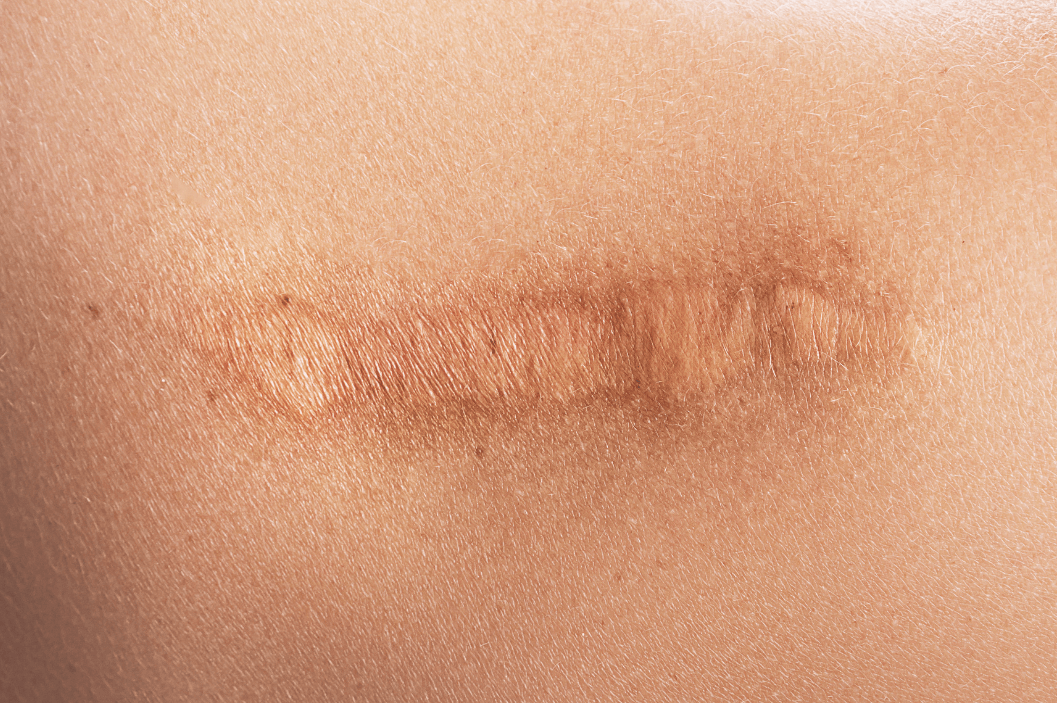
In many instances, Peyronie’s plaque may become noticeable through physical changes or symptoms that develop over time.
Common signs can include:
- A lump or hardened area within the penis
- Curvature that appears during erection
- Pain, particularly in earlier stages
- Changes in erectile function
- Altered shape, including narrowing or indentation
For some people, these signs may appear gradually, which can make early changes harder to recognise.
If these changes feel unfamiliar or concerning, arranging a free consultation with our specialist service team here at MansMatters may provide reassurance and clarity.
How Doctors Diagnose Peyronie’s Plaque
Diagnosis of Peyronie’s plaque is usually based on medical history and physical examination.
A clinician may assess the penis to understand the location and characteristics of any plaque.
In some cases, imaging such as ultrasound may be used to provide additional detail about tissue structure and blood flow. This can support more informed discussion about management options.
A professional assessment can help avoid uncertainty, particularly where symptoms are new or progressing.
Can Peyronie’s Plaque Get Worse Over Time
Peyronie’s disease typically develops in phases, which can influence how plaque behaves over time.
In the early or acute phase, changes such as curvature or discomfort may continue to develop.
This phase often lasts between 0–18 months, during which symptoms may change.
In many instances, the condition may then move into a more stable phase, where pain tends to reduce, and structural changes become less active.
Progression can vary between individuals, with some experiencing mild changes and others noticing more significant effects.
Can Peyronie’s Plaque Go Away On Its Own
Peyronie’s plaque does not usually disappear completely in practice. For some people, symptoms such as pain may improve over time, and curvature may stabilise to a degree.
The scar tissue itself typically remains, though its impact can vary. Some people may find the condition becomes less noticeable, though structural changes often persist.
Treatment Options for Peyronie’s Plaque
Management of Peyronie’s plaque depends on factors such as stage, symptoms, and how the condition is affecting daily life.
Treatment planning is usually guided by individual assessment.
Options may include:
- Monitoring over time
- Non-surgical treatment approaches
- Medical therapies in certain situations
- Surgical procedures in selected cases
Surgical approaches may include techniques that remove or alter plaque, shorten the unaffected side of the penis, or support erections using implants where erectile dysfunction is present.
These options are usually discussed within specialist care, where suitability can be reviewed in a measured way.
If you are unsure what stage you may be in or what options might apply, you can contact MansMatters for a free, confidential consultation to discuss any concerns around penile health.